
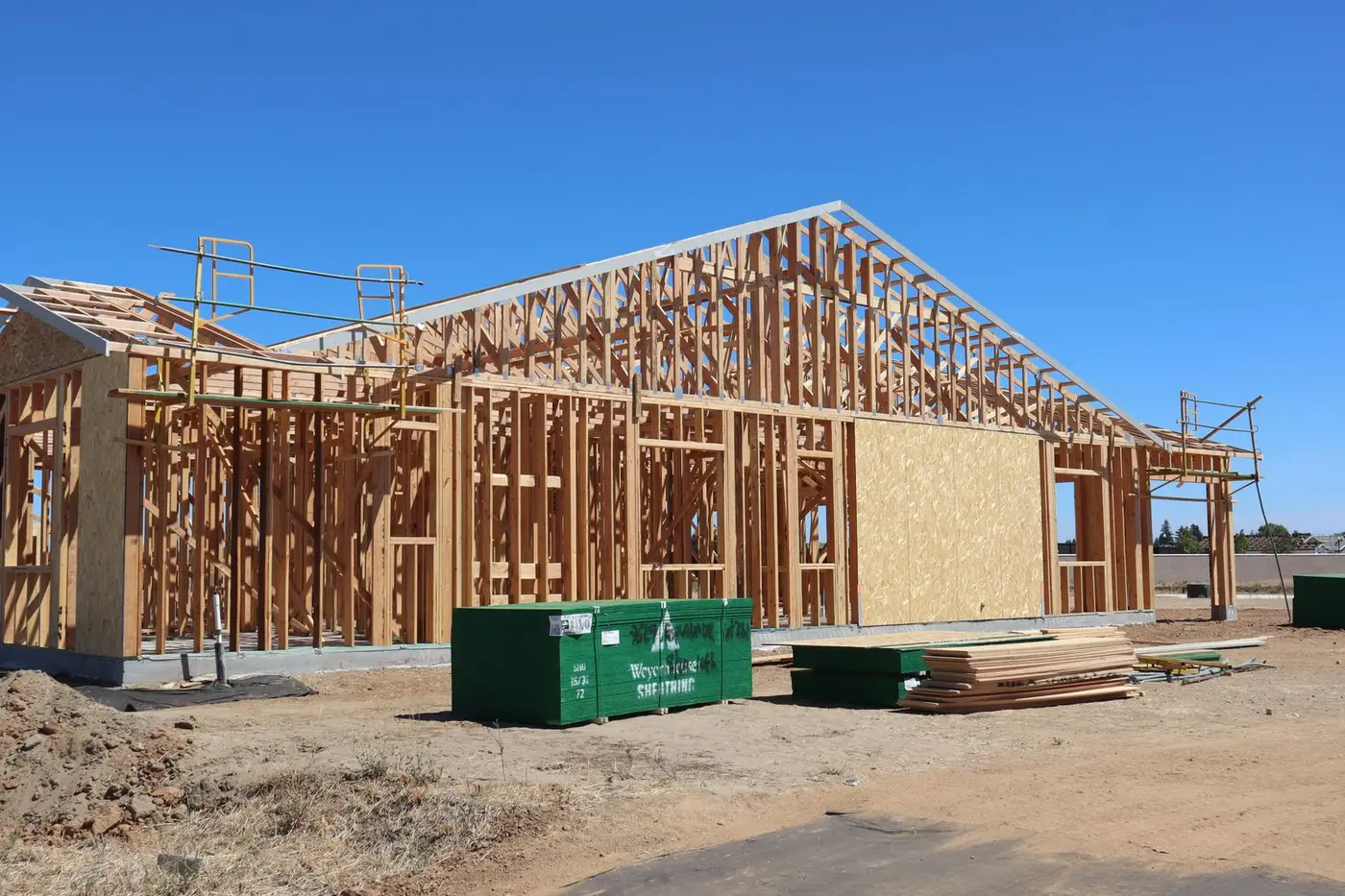
Reconstruction & Structural Framing
Load-bearing changes, structural repairs and the framing that opens a house up.
Learn moreFree Estimates·Hablamos Español·Owner-Operated in Maple Park
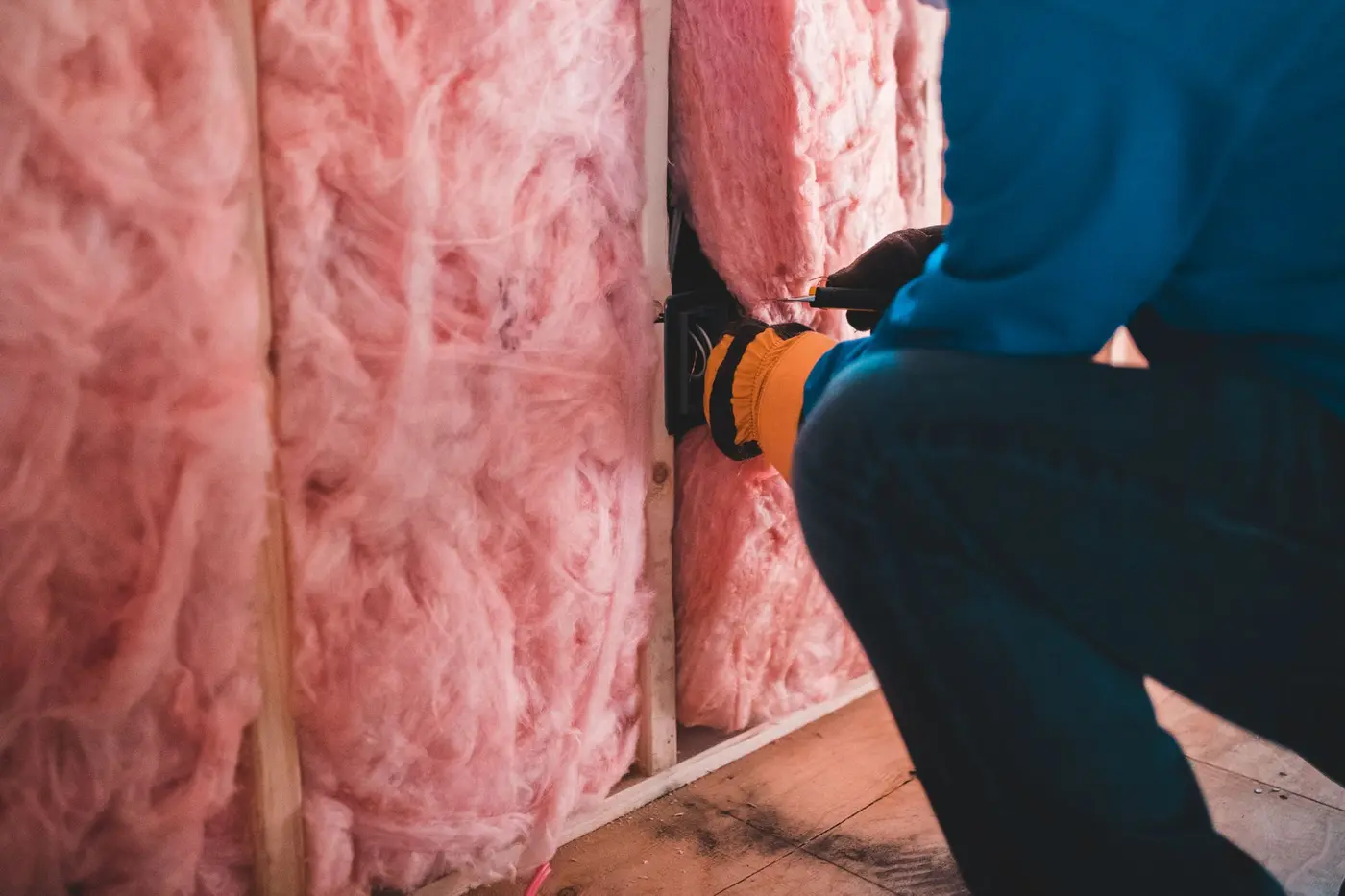
Batt and blown insulation in open walls, attics and new additions.
Insulation in DeKalb and Cortland earns its keep twice a year: in January, when the wind comes across open ground with nothing to slow it down, and in July, when the second floor will not cool off. Most of the insulation we install goes in while a wall is already open for something else, whether that is a remodel, an addition or a rebuild. That is the cheapest it will ever be.
In open walls we use batts, cut to a friction fit, with no gaps at the edges and no compression behind wiring or plumbing. A batt stuffed in behind a pipe does not insulate anything, it just fills a cavity. Rim joists get sealed and insulated too, because that band around the top of the foundation is where a surprising amount of cold air finds its way into a basement.
Attics are a different job entirely. Air sealing comes before insulation, at the top plates, the can lights, the bath fan penetrations and the chase around a chimney, because blowing loose fill over an unsealed ceiling just filters the air leaking through it. Then blown cellulose or fiberglass to depth, with baffles at the eaves so the soffit intake stays open and the roof keeps venting.
Insulating during a remodel costs a fraction of retrofitting later. If we have a wall open for plumbing anyway, adding the insulation is close to incidental.
Loose fill over an unsealed attic floor is a filter, not a blanket. Sealing the top plates and the penetrations is what makes the depth above it do its job.
Batts get cut to fit around wiring and boxes instead of stuffed past them. A compressed or gapped batt loses most of the performance you paid for.
Sound batts between a bathroom and a bedroom, or around a laundry room, cost very little during a remodel and are the upgrade clients mention afterward.
How the job runs
We walk the space with you, in English or Spanish, and talk through what you want, what the house will allow, and what it should cost.
You get a written estimate with the scope spelled out — materials, labor and the schedule — so there is nothing to discover later.
We order and move the materials, line up the trades and give you a start date we intend to keep.
One accountable crew on site, with the job swept and secured at the end of every day.
We walk the finished work with you and handle the punch list before we call it done.
Questions
In an attic, yes, easily. In closed exterior walls it means dense packing through holes drilled in the sheathing or behind the siding, then patching. That is well worth doing on a house getting new siding anyway. On a finished wall nobody is touching otherwise, we will say if the math does not work.
Most houses here do better vented: insulation at the attic floor, soffit intake, ridge exhaust, and a well sealed ceiling plane underneath. A sealed, conditioned attic has its place, usually with mechanicals up there or a cathedral assembly, but it is a bigger job with more ways to get it wrong.
It comes out. Wet fiberglass loses its performance and wet cellulose holds moisture against the framing, which is how you end up with mold behind new drywall. On rebuilds we remove the affected insulation, let the framing dry properly, then install new material before the walls close up.
We install insulation in DeKalb, Cortland and Maple Park, usually as part of a remodel, addition or rebuild, and sometimes on its own. If a room never gets comfortable, or you have walls open for other work, call and we will take a look and include it in a written estimate at no charge.
Load-bearing changes, structural repairs and the framing that opens a house up.
Learn more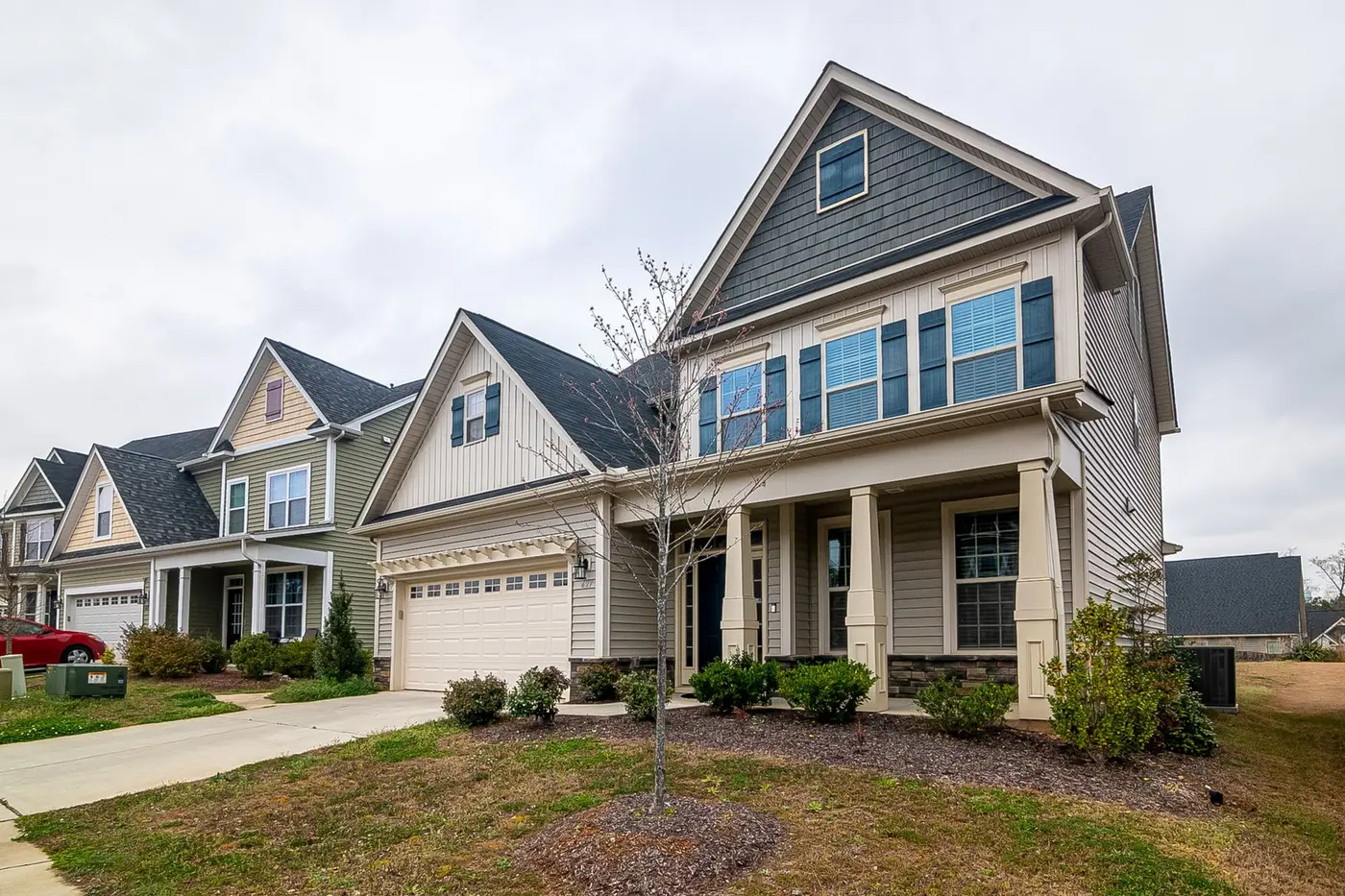
Added square footage built to match the house you already have — foundation to final trim.
Learn more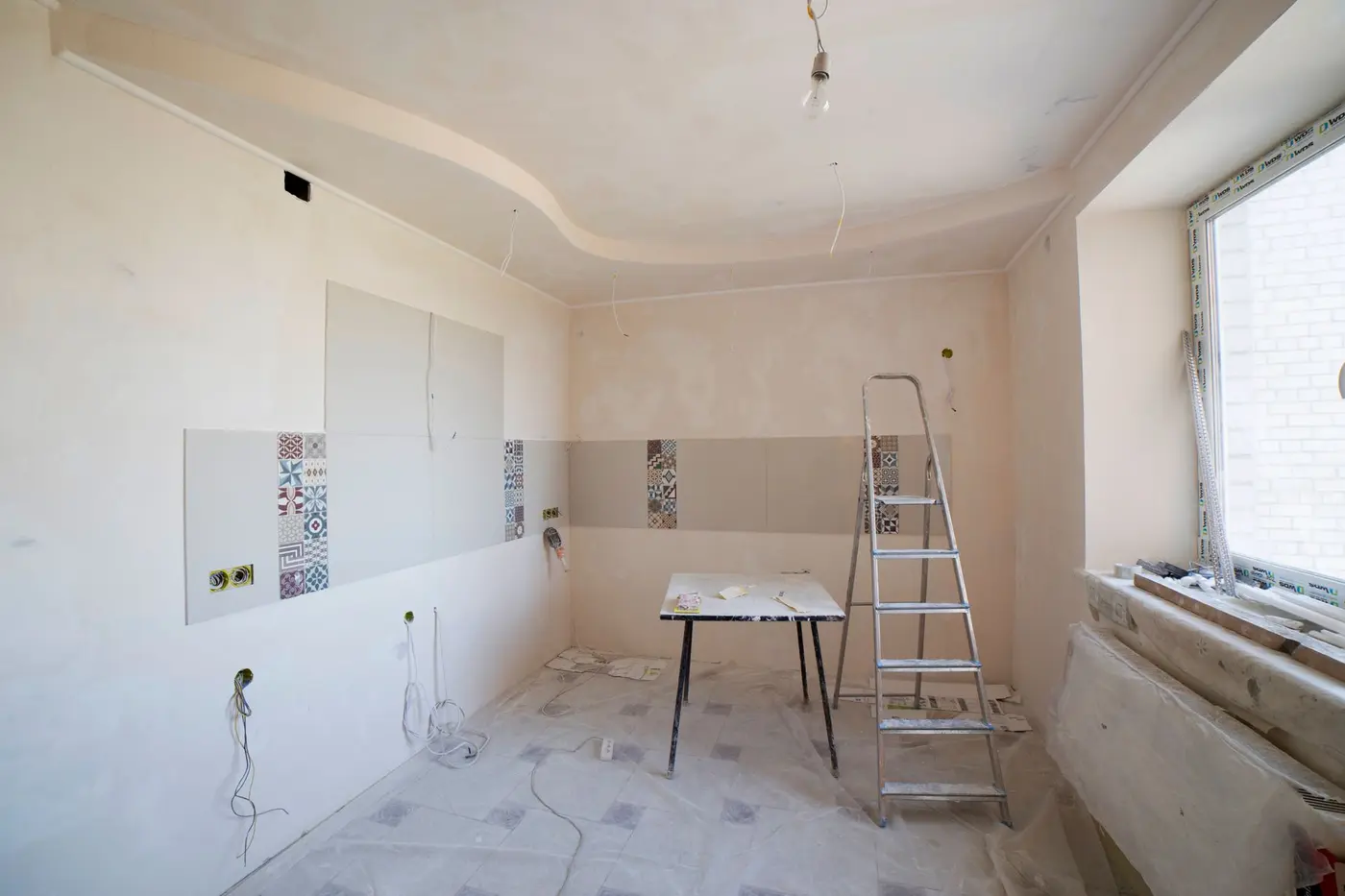
The rebuild phase after fire, water or storm damage — the work national restoration companies call us for.
Learn moreOwner-operated out of Maple Park, working across the Fox Valley and Kane and DeKalb counties. Pick your town for what we do there.
Tell us the town, the room and roughly what you are picturing. We will come look, talk it through in English or Spanish, and put a written estimate in your hands.